


We restore biodiversity and ecological connectivity in Quito through nature-based solutions and community engagement.
What drives us?
We optimize the urban environment through the implementation of green infrastructure. Beyond simply planting, we design functional spaces using native species that serve as natural lungs and filters mitigating temperature rise,, enhancing air quality, and managing rainwater runoff.
CARCELÉN

2025 - 2026
Recovery of ravine systems
Restoration of key areas in a segment of the Monjas River ravine and the Almeida ravine in Quito.
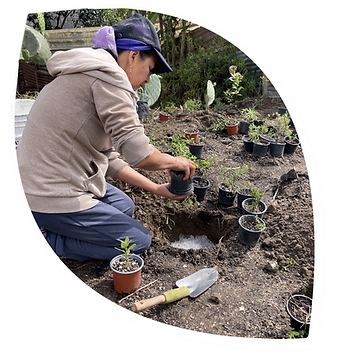
In northern Quito, we intervened in key areas of the Monjas and Almeida river ravines (La Josefina and Carcelén Bajo neighborhoods). Over a 12-month period, we conducted 10 environmental education workshops and implemented 4 types of blue-green infrastructure across 7 different locations, planting 10,400 native plants to create functional green spaces. We published the “Quick Guide to Pollinating Insects of Urban Quito,” a contribution to spreading knowledge about Quito’s biodiversity among citizens.
Impact Areas


This project was developed with the support of the Municipality of Quito within the framework of the XIV Call for Competitive Funds, with financing from the Quito Environmental Fund.



MARIANA DE JESÚS
2022-2023
The first biological corridor in Quito's hypercenter
We achieved ecological connectivity between Rumipamba and La Carolina parks. Today, this section serves as an urban laboratory where we monitor urban wildlife.
Impact Areas
Seventy-two green infrastructure interventions were established, featuring pollinator gardens, green roofs, living tree pits, and rain gardens. These spaces have transformed into critical habitats for urban species conservation.



Strategic
Alliances
We design customized Corporate Volunteering programs. Employees take part in expert-led planting days, guaranteeing an environmentally significant impact.
By engaging in these initiatives, companies can obtain the GREEN INITIATIVE DISTINCTION issued by the national environmental authority.


Why is it important to
conserve nature in the city?


Integrating green infrastructure into the city is vital to addressing issues like poor air quality and flooding, restoring ecological balance to our environment. As highly functional spaces, these sites serve as living classrooms and recreational areas that strengthen the bond between citizens and their natural heritage.
For donations or the realisation of social and environmental responsibility projects, contact us at:
